


From Campaign Management to Strategic Growth
Increasing advertising budgets does not automatically produce better results. As campaigns expand and new markets are introduced, maintaining control over acquisition costs often becomes more challenging. For an international B2B technology company, the objective was therefore not simply to generate more leads, but to develop a scalable Google Ads strategy that accounted for lead quality, commercial priorities and the differences between international markets.
Over approximately 2.5 years, the existing approach was gradually refined. Through a combination of account optimization, a Hagakure-inspired campaign structure and close collaboration with sales and product teams, monthly paid lead volume increased from approximately 50–80 to more than 250. At the same time, the average cost per lead (CPL) across all participating countries and accounts decreased by approximately 30%, despite growing advertising investment.
The Challenge: Different Markets Require Different Decisions
International B2B campaigns cannot effectively be managed through a single, uniform approach. Search volumes, competition, product demand and commercial opportunities vary significantly between countries. A cost per lead that represents excellent performance in one market may be disappointing in another. Even within the same country, expectations can differ considerably between product categories and keyword groups. Applying one universal CPL target across all campaigns would therefore fail to reflect the commercial realities of the business.
The advertising strategy also needed to support the organization's wider priorities. Some product categories offered greater growth potential than others, while available sales capacity influenced how aggressively individual markets could be developed. Generating substantially more leads in a particular country would provide limited value if the sales team lacked the capacity to follow them up effectively. The challenge was to balance lead volume, acquisition costs, commercial relevance and operational capacity, while allowing promising campaigns and markets sufficient room to develop, even when their performance temporarily differed from the overall average.
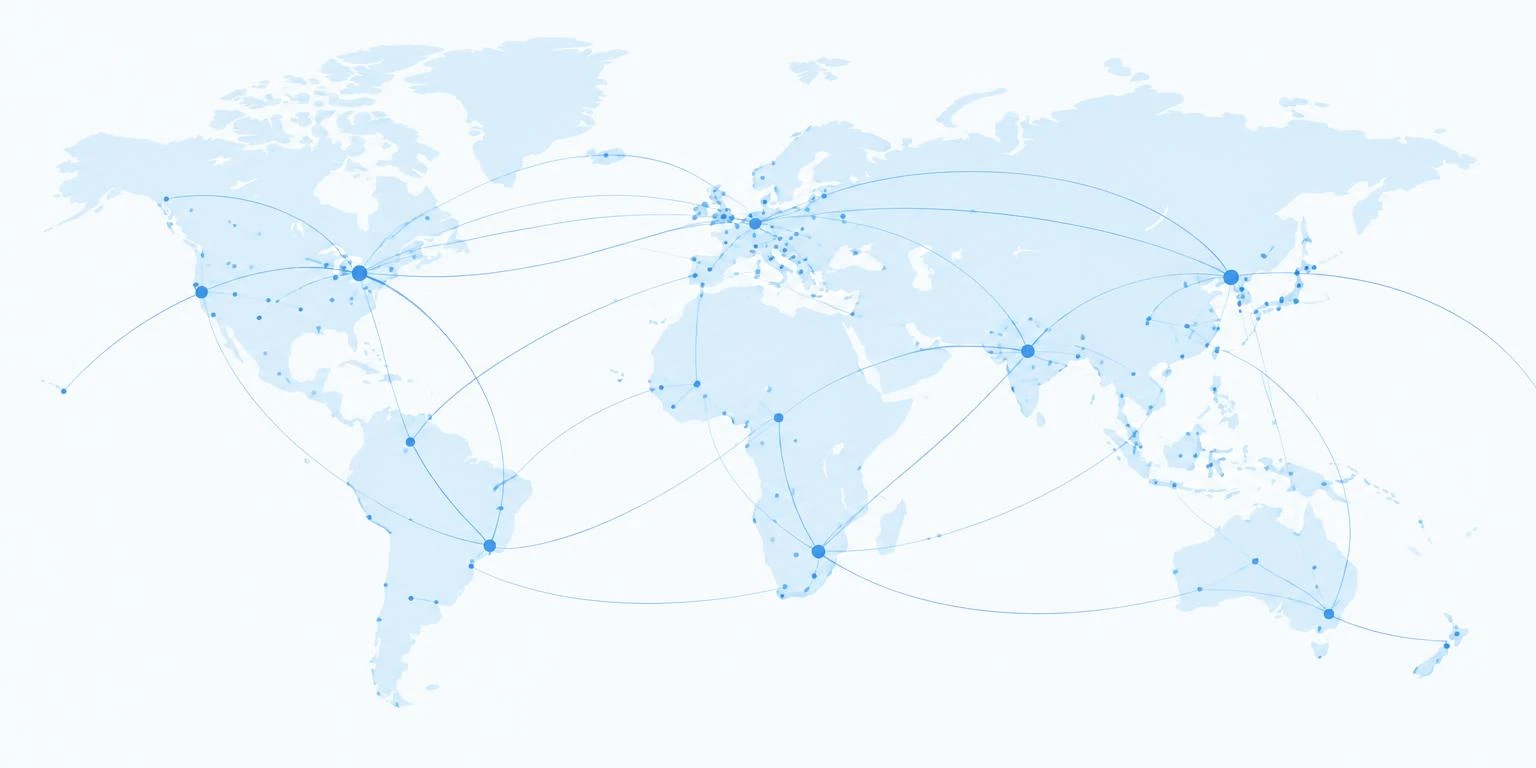
The Strategy: A Scalable Structure with Local Flexibility
An important part of the approach involved gradually restructuring the Google Ads accounts using Hagakure-inspired principles. By consolidating campaigns where appropriate and making more effective use of conversion data, a stronger foundation was created for automated bidding strategies. The objective was to find the right balance between sufficient conversion volume and the ability to manage campaigns individually. Not every product category or market benefited from an identical structure. The setup needed to remain logical, manageable and scalable without losing sight of relevant commercial differences.
At the same time, differentiated CPL expectations were established for individual countries, product categories and search intentions. A campaign operating in a highly competitive market could justify a higher acquisition cost when its potential commercial value supported that investment. Conversely, campaigns generating relatively inexpensive leads were assessed critically when those leads did not sufficiently match the intended audience. This shifted the focus away from simply achieving the lowest possible CPL towards improving overall performance. Successful campaigns were given room to scale, while other markets had the opportunity to develop within realistic expectations.
Execution: Daily Optimization and Close Collaboration
Account development was not a one-off optimization project, but an ongoing process. Campaigns were reviewed daily, focusing on search terms, search intent, ad relevance, bidding strategies, conversion performance and budget utilization. Adjustments were made based on these insights to reduce wasted spend and capitalize on emerging opportunities. Larger structural changes were implemented gradually, allowing campaigns to develop without unnecessarily disrupting existing performance.
Equally important was the collaboration with sales and product teams. Regular discussions about product priorities, commercial opportunities and incoming lead quality provided a clearer understanding of where marketing investment could deliver the greatest value. The capacity of sales teams to follow up on leads was also considered when making decisions. Campaign performance was reported and reviewed monthly, with budgets and priorities adjusted where necessary. This ensured that Google Ads was not managed as an isolated advertising channel, but as an integral part of the wider commercial organization.
Sales
Product
Data
International Markets
The Results: More Leads at a Lower Average Cost
Over approximately 2.5 years, monthly paid lead volume increased from around 50–80 to more than 250. At the same time, the average CPL across the combined international Google Ads accounts decreased by approximately 30%. This development took place while overall advertising investment increased. That distinction matters, because expanding advertising budgets does not automatically result in a proportional increase in relevant leads. As campaigns scale, maintaining acquisition efficiency often becomes increasingly challenging.
The combination of an improved account structure, market-specific CPL expectations and continuous alignment with the commercial organization made it possible to connect growth with greater efficiency. The key lesson from this project is that successful international performance marketing is not about imposing identical targets on every campaign. By accounting for local differences, commercial value and growth potential, individual campaigns can contribute more effectively to the overall performance of the business.
Monthly paid leads
50–80
Initial
250+
Achieved
Relative average CPL
100
Initial index
70
Achieved index